
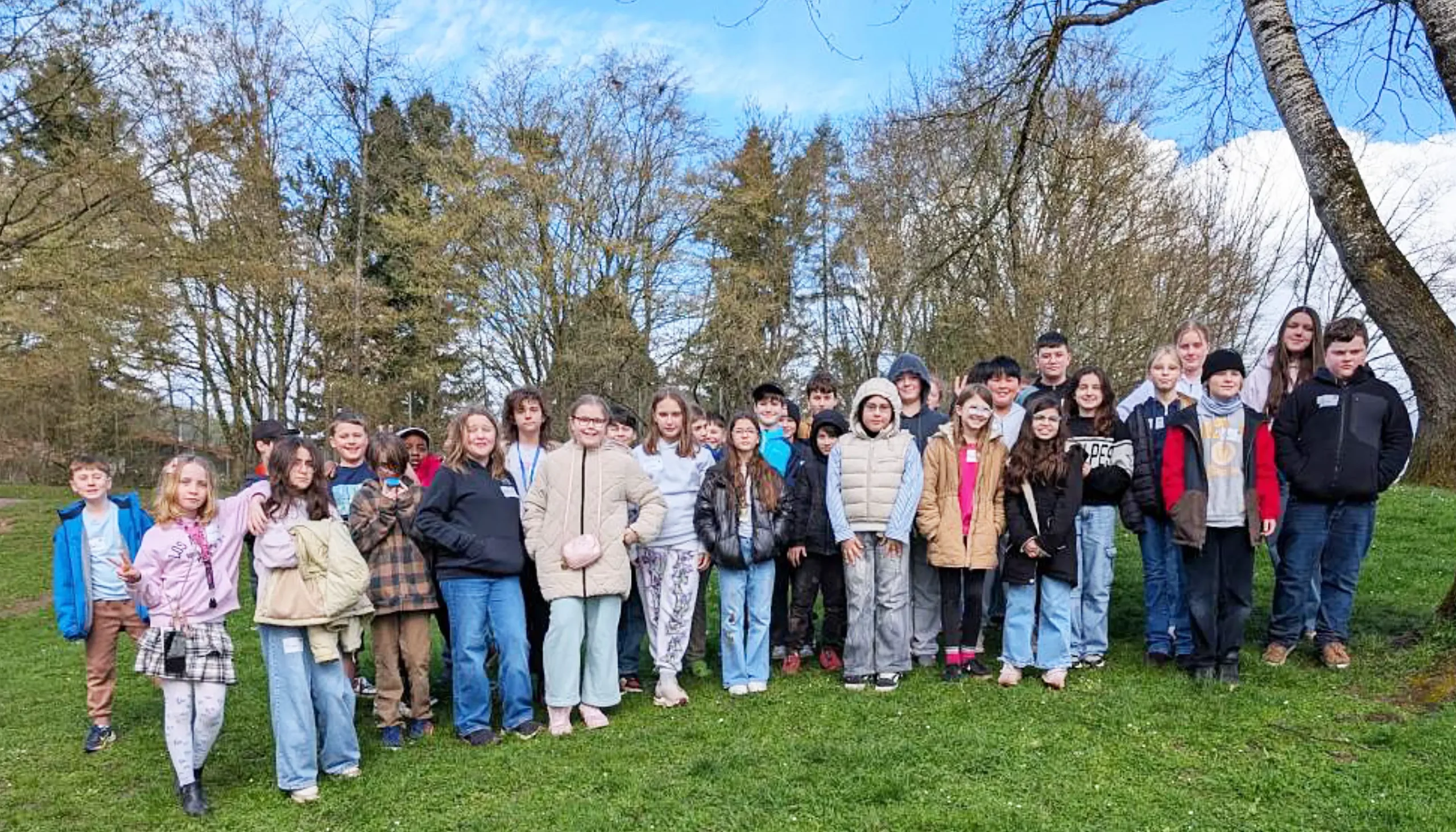
The student exchange between Friedrich-Spee-Gymnasium Trier and Spangdahlem Elementary School was once again successfully carried out during the 2025–2026 school year.
The goal of the program is to provide students with intercultural encounters at an early age and to give them an authentic insight into a different way of life and school environment. The children found it particularly exciting to learn about life on the airbase and gain insight into this everyday environment that would otherwise be inaccessible to them.
The exchange took place in March 2026 and consisted of two parts: the American students’ visit to FSG Trier and our students’ return visit to Spangdahlem Air Base.
Visit to Trier
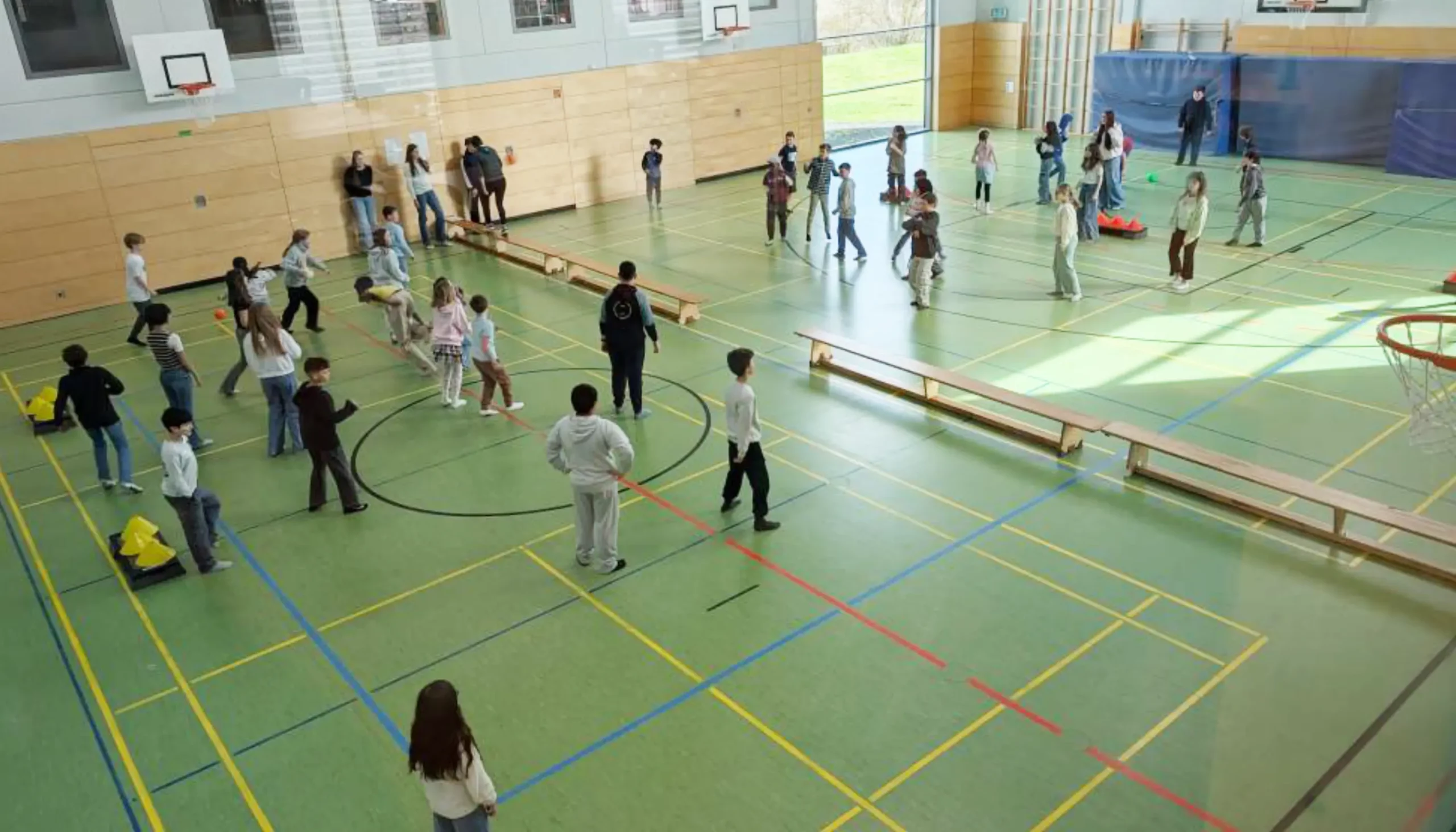
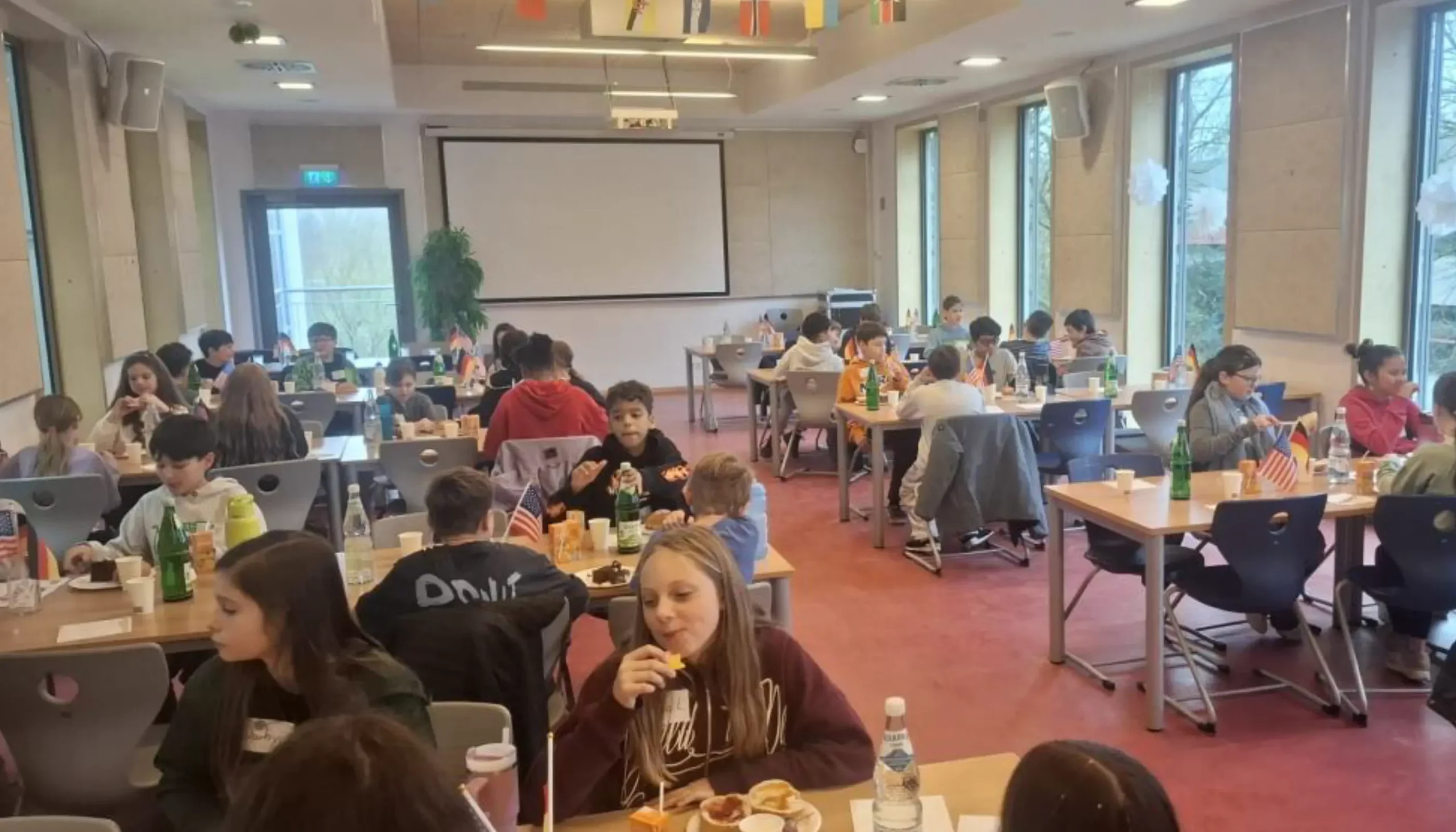
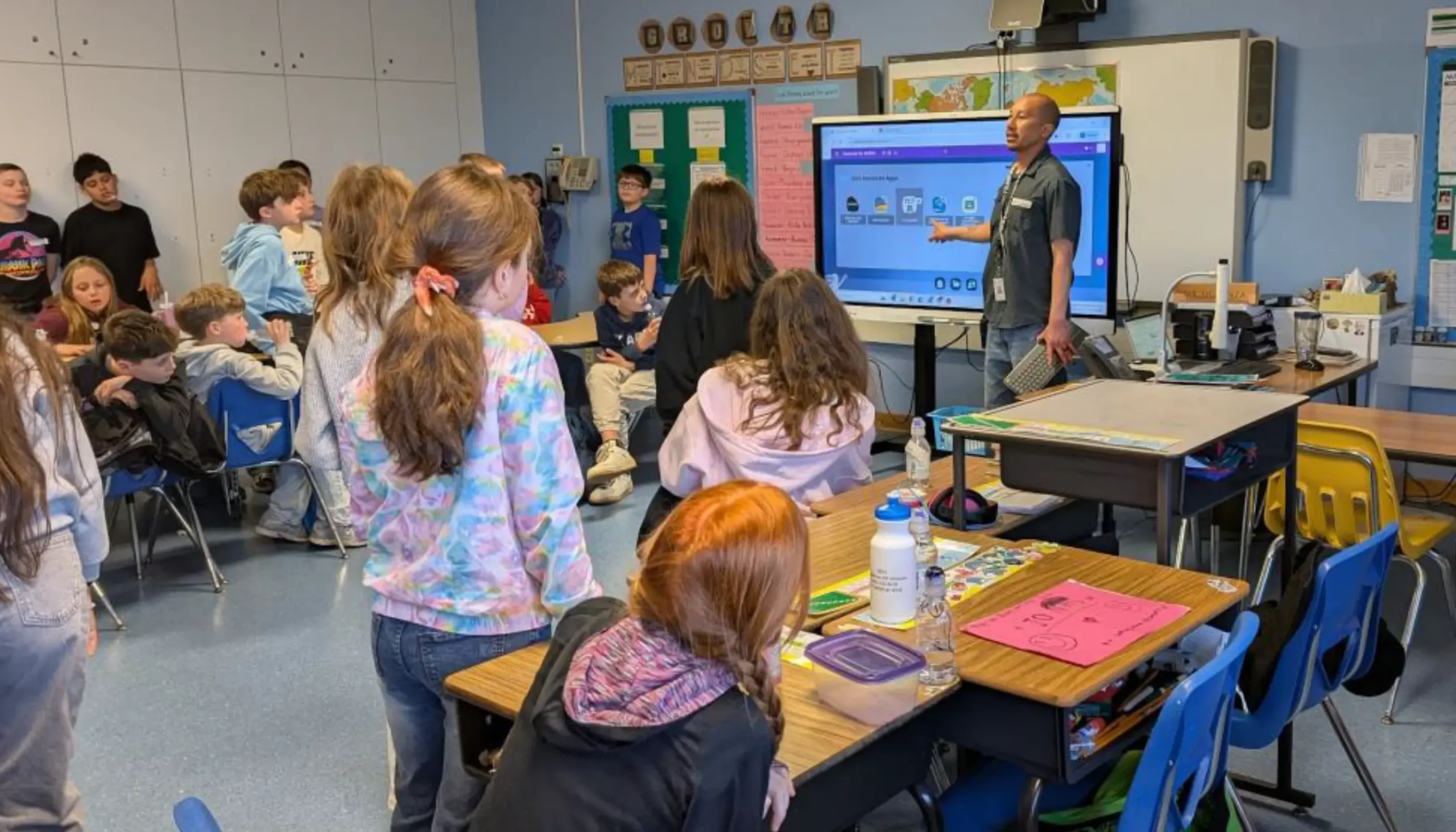
Over the course of three days, the American students each visited one of our fifth-grade classes. The mornings were spent together and offered many opportunities to get to know one another. In addition to a shared breakfast, the program included a school tour, art and physical education classes, and a shared lunch.
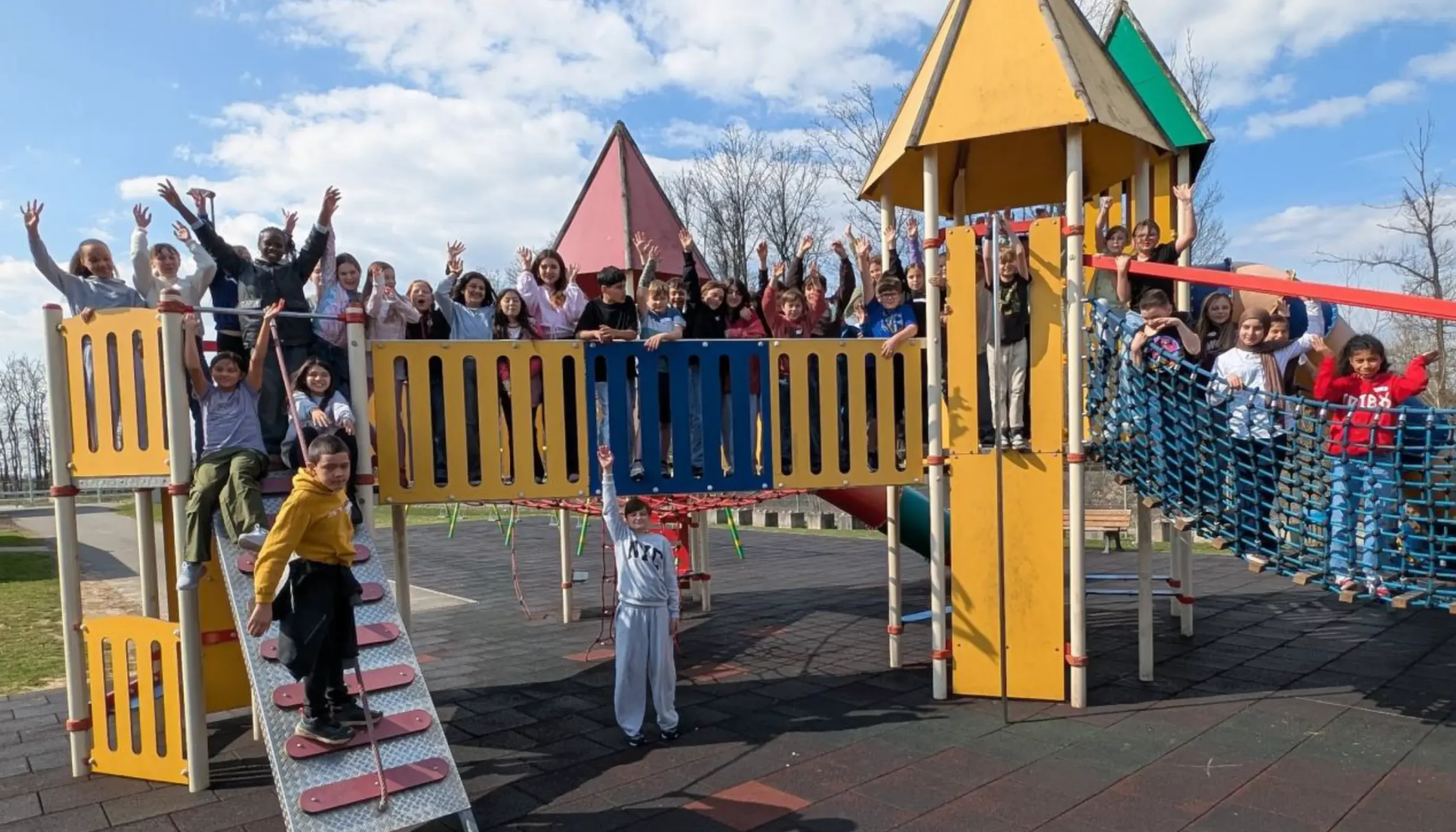
The food was a particular hit with the children: typical German dishes such as schnitzel, Kaiserschmarrn, and bratwurst were sampled with great enthusiasm. Playing together in the schoolyard was also a highlight, where friendships were quickly formed.
Visit to Spangdahlem Air Base
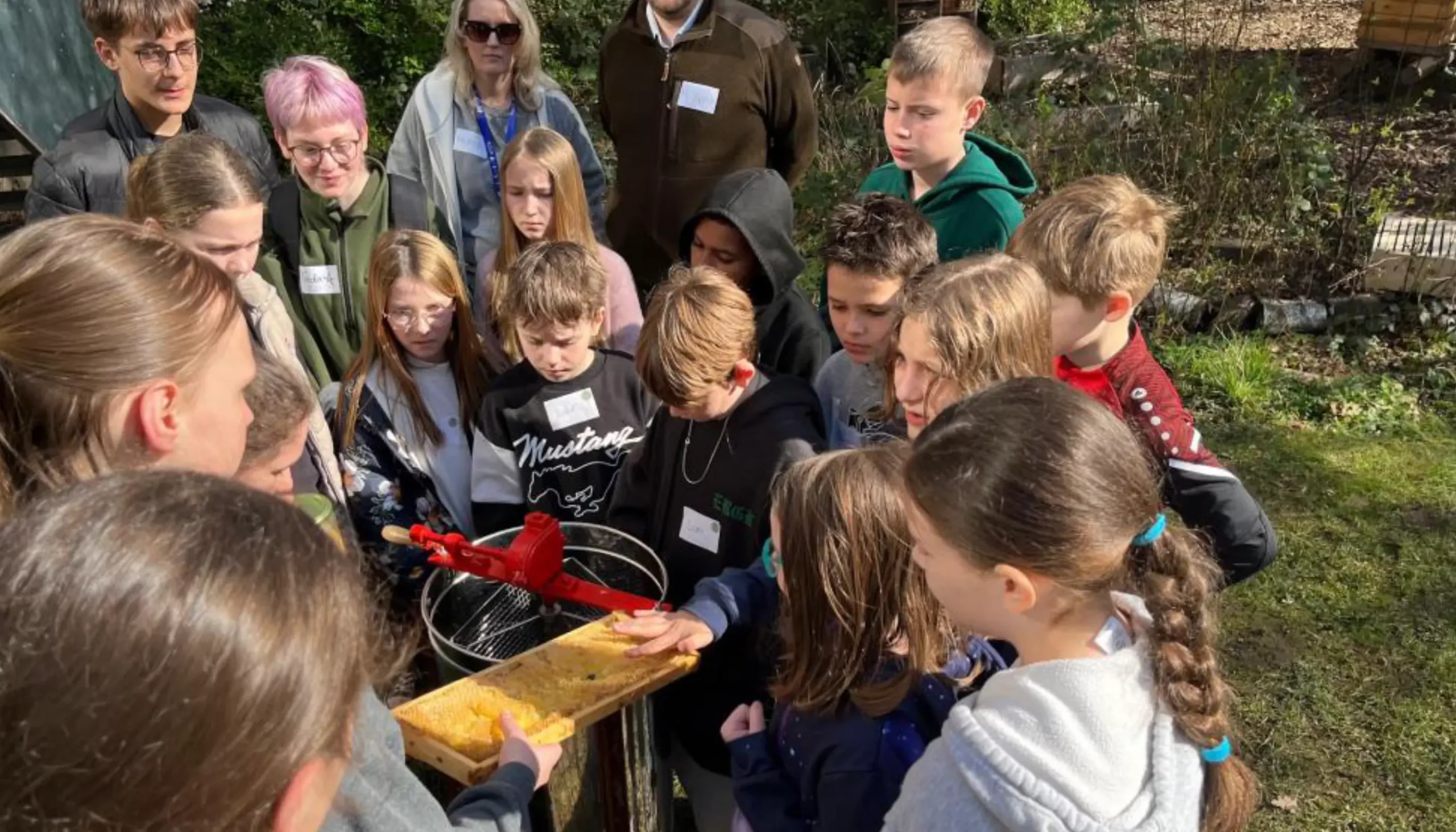
During the return visit to the air base, our students had the opportunity to get to know the American school. In addition to gaining insights into daily school life, the focus here was primarily on shared experiences. The children spent a lot of time together, exchanged ideas, and participated in activities as a group.
There were also new culinary discoveries to be made: American hot dogs, in particular, were a big hit.
Shared Experiences and Impact
The exchange was very well received by the students. Many children quickly struck up conversations, played together, and laughed. It is particularly gratifying that numerous students exchanged contact information afterward and wish to stay in touch.
In addition to practicing English, the children experienced how enriching direct interaction with peers from a different cultural background can be. Inhibitions were broken down, and curiosity and openness were strengthened. In this way, the project makes an important contribution to intercultural education and the development of social skills.
Conclusion and Acknowledgments
The student exchange was a very valuable experience for everyone involved, one that went far beyond the scope of regular classroom instruction. The positive response from the children clearly demonstrates how important such encounters are. We therefore strongly hope that the program will continue.
Special thanks go to the Host Nation Council for its financial support, without which this exchange would not have been possible.

